
A Beginner’s Guide to Aseptic Pharmaceutical Manufacturing
Introduction
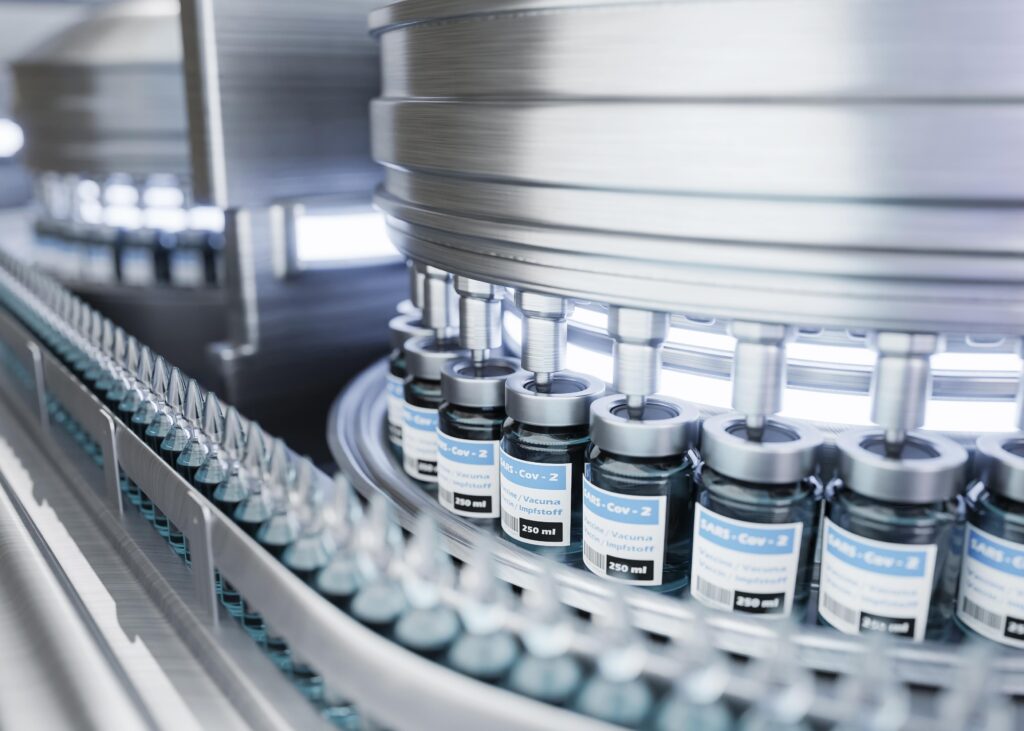
In the pharmaceutical industry, ensuring the sterility of drug products is paramount to patient safety. Aseptic pharmaceutical manufacturing plays a critical role in producing sterile medications, such as injectable drugs, vaccines, and ophthalmic solutions, that cannot undergo conventional sterilization methods. Unlike terminal sterilization, which eliminates contaminants after packaging, aseptic processing maintains sterility throughout the entire production cycle, from raw material handling to final product sealing.
This process is crucial because even a minor contamination can lead to severe health risks, including infections and adverse reactions. Regulatory agencies like the FDA and EMA impose stringent guidelines to uphold the highest quality standards in sterile drug manufacturing. With the growing demand for biologics, personalized medicines, and advanced therapeutic products, mastering aseptic manufacturing techniques is more important than ever.
This guide provides a comprehensive introduction to aseptic pharmaceutical manufacturing, covering key principles, essential processes, regulatory requirements, and emerging trends shaping the industry. Whether you’re new to pharmaceutical production or looking to deepen your understanding, this article will equip you with the foundational knowledge needed to navigate the world of aseptic processing.
Understanding Aseptic Pharmaceutical Manufacturing
What is Aseptic Manufacturing?
Aseptic manufacturing is a specialized pharmaceutical production method that involves handling sterile raw materials, components, and final products in a controlled environment to prevent contamination. This process is widely used in producing:
- Injectable drugs (e.g., intravenous (IV) medications, vaccines, insulin)
- Ophthalmic solutions (eye drops)
- Biotechnology-derived products
- Parenteral nutrition solutions
Unlike traditional sterilization methods such as heat or radiation sterilization, aseptic processing requires continuous monitoring to maintain sterility assurance levels (SAL). Any deviation from standards can compromise product quality and patient safety.
Real-Life Example
In 2012, a fungal meningitis outbreak in the U.S. was linked to contaminated steroid injections produced by the New England Compounding Center (NECC). This incident, which resulted in over 700 infections and 64 deaths, underscores the critical importance of aseptic processing in preventing contamination and ensuring pharmaceutical safety.
Importance of Aseptic Processing in the Pharmaceutical Industry
According to the World Health Organization (WHO), approximately 1 in 10 medical products in low- and middle-income countries is substandard or falsified, with many cases linked to poor aseptic manufacturing practices. Ensuring sterile drug manufacturing is crucial for:
- Patient Safety: Prevents infections, sepsis, and other complications.
- Regulatory Compliance: Avoids costly recalls and legal repercussions.
- Drug Efficacy: Ensures medications work as intended without contamination risks.
- Public Trust: Builds confidence in pharmaceutical brands and healthcare providers.
Key Components of Aseptic Manufacturing
1. Cleanroom Environments and Contamination Control
A cleanroom is a specially controlled area designed to minimize airborne contaminants such as dust, microbes, and particulates. These rooms are classified based on the ISO 14644-1 standard:
- ISO Class 5 (Grade A): Used for high-risk operations like aseptic filling.
- ISO Class 7 (Grade B): Surrounds the Grade A environment.
- ISO Class 8 (Grade C/D): Lower-grade areas for auxiliary operations.
Contamination Control Strategies
- High-Efficiency Particulate Air (HEPA) filters to trap particles.
- Laminar airflow systems to ensure unidirectional air movement.
- Positive air pressure differentials to prevent contamination ingress.
- Routine environmental monitoring to detect microbial and particulate contamination.
Real-Life Example
In 2021, the FDA issued a warning letter to a manufacturer after identifying microbial contamination in an ISO 5 cleanroom environment, resulting in the recall of over 10,000 vials of an injectable drug. This demonstrates the necessity of rigorous cleanroom maintenance in pharmaceutical production.
2. Personnel Training and Aseptic Techniques
Operators are the largest source of microbial contamination in cleanrooms. Proper aseptic techniques include:
- Sterile gowning protocols: Use of gloves, masks, sterile coveralls, and booties.
- Minimal movement: Reducing turbulence that may spread contaminants.
- Training in good aseptic practices (GAPs): Includes simulation exercises and routine competency assessments.
According to ISPE (International Society for Pharmaceutical Engineering), up to 80% of microbial contamination in aseptic processing originates from personnel. Proper training is essential to maintain sterility assurance.
3. Sterilization Methods for Aseptic Manufacturing
Common Sterilization Techniques
- Filtration Sterilization: Used for heat-sensitive biologics and vaccines.
- Steam Sterilization (Autoclaving): Applied to reusable equipment like syringes and vials.
- Gas Sterilization (Ethylene Oxide): Ideal for plastic components.
- Radiation Sterilization (Gamma or Electron Beam): Used for single-use medical devices and pharmaceutical packaging.
4. Aseptic Filling and Sealing Processes
Aseptic filling is one of the most critical stages in pharmaceutical manufacturing. Technologies such as isolators, Restricted Access Barrier Systems (RABS), and automated filling systems reduce human intervention and enhance sterility.
Blow-Fill-Seal (BFS) Technology
A modern method where containers are formed, filled, and sealed in a continuous operation, minimizing contamination risks.
Regulatory Compliance in Aseptic Pharmaceutical Manufacturing
1. Adherence to Good Manufacturing Practices (GMPs)
GMP guidelines set by FDA, EMA, and WHO outline essential quality control measures, including:
- Facility design and validation.
- Environmental monitoring.
- Process validation.
- Personnel qualification.
2. Environmental Monitoring and Quality Assurance
Routine testing includes:
- Airborne particle counting.
- Microbial swabbing of surfaces.
- Monitoring pressure differentials and humidity levels.
3. Process Validation and Sterility Assurance
- Media Fills: Simulated runs with microbial growth media.
- Endotoxin Testing: Detects bacterial toxins in injectables.
- Container Closure Integrity Testing (CCIT): Ensures sealed containers prevent microbial ingress.
Future Trends in Aseptic Pharmaceutical Manufacturing
Innovations Shaping the Future
- AI-driven predictive contamination control.
- Increased adoption of robotics for aseptic filling.
- Single-use technologies reducing cross-contamination risks.
- Expansion of personalized medicine requiring flexible aseptic processing.
Conclusion
Aseptic pharmaceutical manufacturing is an essential and highly regulated process that ensures the production of sterile drug products, safeguarding patient health and maintaining public trust in the pharmaceutical industry. Through stringent contamination control measures, adherence to Good Manufacturing Practices (GMPs), and continuous innovation, manufacturers can uphold the highest standards of sterility assurance and product safety.
Key takeaways from this guide include:
- Aseptic processing is crucial for producing injectable drugs, vaccines, and biologics that cannot undergo traditional sterilization.
- Cleanroom environments and strict personnel training play a significant role in minimizing contamination risks.
- Sterilization methods such as filtration, autoclaving, and gamma irradiation ensure product integrity.
- Regulatory compliance with FDA, EMA, and WHO guidelines is mandatory to prevent recalls and safety incidents.
- Future trends, including automation, AI-driven monitoring, and single-use technologies, are shaping the next generation of aseptic manufacturing.
The rapid growth of biopharmaceuticals, personalized medicine, and cell and gene therapies further emphasizes the importance of aseptic processes in modern healthcare. As pharmaceutical companies strive for efficiency and reliability, leveraging advanced aseptic technologies will be key to staying competitive in the evolving market.
For professionals and businesses involved in pharmaceutical production, staying updated on the latest developments in aseptic processing, regulatory requirements, and emerging technologies is crucial. If you would like to learn more or explore related topics, we invite you to browse additional resources on our website or reach out to industry experts for guidance.
By embracing best practices and innovation in aseptic pharmaceutical manufacturing, companies can ensure the production of safe, high-quality, and life-saving medications, ultimately benefiting millions of patients worldwide.
Links and Explanations
1. U.S. Food & Drug Administration (FDA) – Sterile Drug Products Produced by Aseptic Processing
This FDA guidance document provides comprehensive information on current Good Manufacturing Practices (cGMPs) for aseptic processing. It outlines contamination control strategies, cleanroom classifications, environmental monitoring requirements, and process validation standards, making it an essential resource for professionals in pharmaceutical manufacturing.
2. European Medicines Agency (EMA) – Annex 1: Manufacture of Sterile Medicinal Products
The EMA’s Annex 1 guidelines detail the manufacturing requirements for sterile drug products in Europe. This document covers risk management, environmental monitoring, and sterility assurance best practices, making it valuable for global manufacturers looking to comply with EU regulations.
3. World Health Organization (WHO) – WHO Guidelines on Aseptic Processing
This WHO publication presents globally recognized guidelines for aseptic processing, including cleanroom requirements, sterilization validation, and personnel training. It is particularly useful for pharmaceutical companies operating in international markets.
4. International Society for Pharmaceutical Engineering (ISPE) – Aseptic Manufacturing Best Practices
ISPE offers insights into the latest advancements in aseptic manufacturing, including automation trends, isolator technology, and regulatory compliance strategies. Clicking this link provides access to white papers, industry reports, and best practice guides.
5. U.S. Pharmacopeia (USP) – Microbial Testing for Aseptic Processing
USP provides scientific standards for sterility testing, endotoxin detection, and microbial contamination control in pharmaceutical manufacturing. This resource is useful for ensuring compliance with USP Chapter <797> and <1116>, which govern aseptic preparations.
6. Pharmaceutical Online – News & Trends in Aseptic Processing
This industry portal offers news, articles, and case studies on innovations in aseptic manufacturing, regulatory updates, and market trends. It is an excellent resource for staying informed about emerging technologies and best practices in sterile drug production.
7. Parenteral Drug Association (PDA) – Technical Reports on Aseptic Manufacturing
PDA provides technical reports, training programs, and industry guidelines on aseptic processing, environmental monitoring, and risk-based contamination control. It’s a great source for professionals looking to enhance their knowledge and training in sterile manufacturing.
“Discover the essentials of aseptic pharmaceutical manufacturing—learn key processes, regulatory compliance, and best practices for sterile drug production.”