
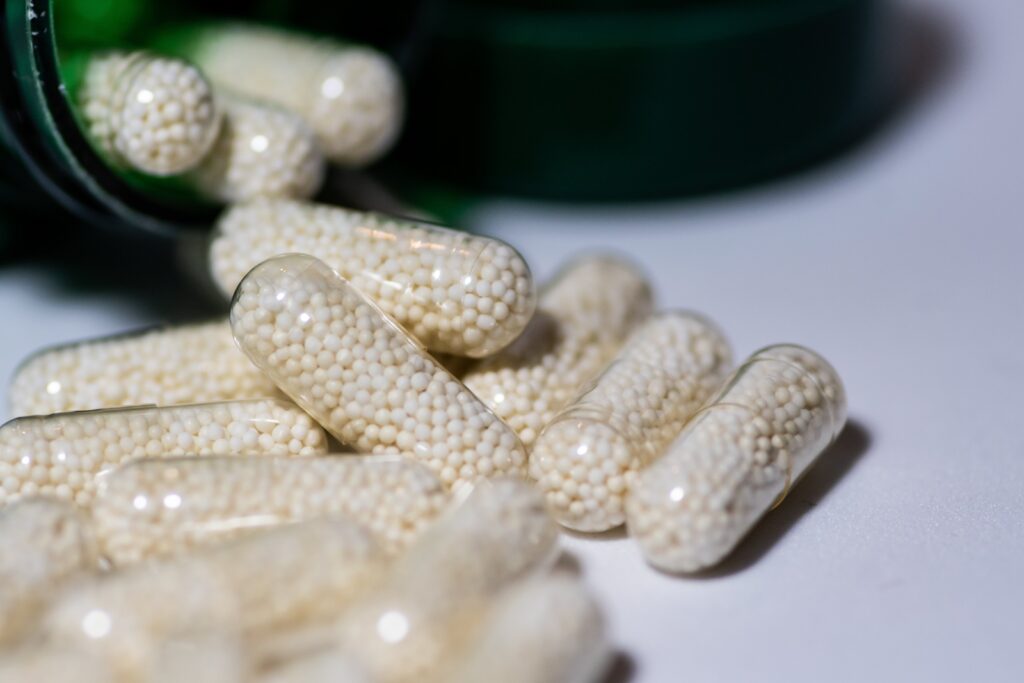
Pharmaceutical granulation represents a critical unit operation within drug manufacturing, serving as a foundational step in the transformation of fine powder blends into uniform, flowable granules. This process is integral to the production of solid dosage forms, such as tablets and capsules, ensuring the precise delivery of active pharmaceutical ingredients (APIs) while maintaining batch-to-batch consistency and compliance with regulatory standards. Granulation addresses key challenges in formulation development, including poor powder flow properties, segregation of components, and suboptimal compressibility, thereby enhancing the processability and performance of the final product. By leveraging advanced granulation methodologies—ranging from wet granulation to dry granulation and emerging technologies like continuous granulation—manufacturers can achieve superior control over critical quality attributes (CQAs) such as particle size distribution, density, and dissolution profiles. This technical overview delves into the principles, applications, and operational considerations of granulation processes, providing pharmaceutical professionals with actionable strategies to optimize process efficiency, ensure product quality, and uphold patient safety in compliance with current Good Manufacturing Practices (cGMP).
Introduction to Granulation
Granulation is a process that converts fine powders into larger, free-flowing granules. This transformation is achieved by combining the powders with a binding agent or through compaction. The primary goals of granulation are to improve powder flow properties, enhance compressibility, and ensure content uniformity in the final product.
Granules are essential in pharmaceutical manufacturing as they prevent issues such as segregation, dust generation, and irregular dosing. Moreover, granulation enhances the physical and chemical stability of the active pharmaceutical ingredients (APIs) and facilitates downstream processing. For instance, studies indicate that well-granulated materials can reduce tablet weight variation by up to 20% and improve compressibility by 30% compared to non-granulated powders.
Types of Granulation Techniques
Granulation processes are classified into three most commonly used categories, each offering unique advantages and applications in pharmaceutical manufacturing:
1. Wet Granulation
Wet granulation is the most widely used granulation technique, particularly for APIs sensitive to heat or pressure. This method involves the addition of a liquid binder to agglomerate powder particles. It is preferred for drugs that exhibit poor flow properties or require controlled release.
Key Steps in Wet Granulation:
- Mixing: Powdered materials, including APIs and excipients, are mixed to achieve uniform distribution. For example, excipients like lactose or microcrystalline cellulose are often used to improve flowability.
- Binder Addition: A binder solution or liquid, such as polyvinylpyrrolidone (PVP), is sprayed or added to the mixture to initiate agglomeration.
- Wet Massing: The mixture is kneaded to form granules with the desired consistency. Equipment like high-shear mixers is commonly employed.
- Drying: The wet granules are dried using equipment like fluid bed dryers or tray dryers to achieve the required moisture content. For instance, fluid bed dryers reduce drying time by up to 50% compared to conventional methods.
- Sizing: Dried granules are passed through a sieve or mill to achieve uniform granule size, which ensures consistent tablet weight and dissolution profiles.
Advantages of Wet Granulation:
- Improved content uniformity ensures accurate dosing.
- Enhanced tablet strength reduces the risk of breakage.
- Suitable for APIs that are poorly compressible or have low bulk density.
Disadvantages of Wet Granulation:
- High energy and time consumption.
- Potential for moisture sensitivity and thermal degradation of APIs.
2. Dry Granulation
Dry granulation is employed for moisture-sensitive and heat-sensitive APIs. This method avoids the use of liquid binders by compressing powders under high pressure to form granules. It is ideal for drugs that degrade in the presence of water or solvents.
Key Steps in Dry Granulation:
- Mixing: Powdered ingredients are blended thoroughly to ensure homogeneity.
- Compaction: The mixture is compressed using a roller compactor or tablet press to form ribbons or slugs. Roller compactors are particularly effective, with studies showing up to a 40% reduction in dust generation.
- Milling: The compacted material is milled into granules of the desired size.
Advantages of Dry Granulation:
- Suitable for moisture- and heat-sensitive materials like aspirin.
- Reduced processing time and energy requirements compared to wet granulation.
- Simplified equipment and operation, making it cost-effective for smaller batches.
Disadvantages of Dry Granulation:
- May result in lower granule strength, potentially affecting tablet hardness.
- Limited applicability for APIs with poor flow properties, requiring additional excipients.
3. Melt Granulation
Melt granulation is an advanced technique where a meltable binder is used to agglomerate powder particles. The binder is melted at a temperature above its melting point and then cooled to form granules. This method is particularly useful for producing controlled-release formulations.
Key Steps in Melt Granulation:
- Mixing: Powdered materials and a meltable binder, such as polyethylene glycol (PEG), are blended.
- Heating: The mixture is heated until the binder melts, enabling particle adhesion.
- Cooling: The molten binder solidifies to form granules. Cooling can be accelerated using chilled air or a fluidized bed system.
Advantages of Melt Granulation:
- Eliminates the need for drying, reducing overall processing time.
- Environmentally friendly, as it avoids the use of solvents.
- Suitable for controlled-release formulations, as the meltable binder can act as a release-controlling agent.
Disadvantages of Melt Granulation:
- Limited to thermally stable APIs.
- Requires precise temperature control to avoid degradation of sensitive ingredients.
Granulation Equipment
Various equipment types are employed in pharmaceutical granulation processes to ensure efficiency, consistency, and scalability. Below are some of the commonly used machines:
1. High-Shear Granulators
High-shear granulators are ideal for wet granulation. They consist of an impeller and chopper that mix and agglomerate powders quickly. For example, a high-shear granulator can reduce granulation time by up to 40% compared to traditional mixers.
2. Fluid Bed Processors
Fluid bed processors are versatile equipment used for drying, granulating, and coating. In granulation, they ensure uniform binder application and efficient drying. Pharmaceutical manufacturers often prefer these for large-scale operations due to their scalability.
3. Roller Compactors
Roller compactors are used in dry granulation to compress powders into ribbons, which are then milled into granules. They are especially useful for producing free-flowing granules with minimal dust generation.
4. Extruders and Spheronizers
These are employed in specialized granulation processes to produce spherical granules, particularly for controlled-release formulations. They offer high precision in size and shape, critical for ensuring consistent drug release profiles.
Factors Influencing Granulation
Several factors impact the efficiency and outcome of granulation processes. Understanding these variables can help optimize granule quality and process consistency:
1. Material Properties
- Particle Size and Distribution: Uniform particle size enhances granulation efficiency. For example, a particle size distribution between 50–200 microns is optimal for wet granulation.
- Moisture Content: Affects binder interaction and granule formation. Excess moisture can lead to over-granulation, while insufficient moisture reduces binding efficiency.
- Flow Properties: Poor flow can hinder granulation. Adding glidants like colloidal silica can improve flowability.
2. Binder Characteristics
The type and concentration of the binder significantly affect granule strength and dissolution rates. Examples of commonly used binders include:
- Polyvinylpyrrolidone (PVP).
- Hydroxypropyl methylcellulose (HPMC).
- Starch paste.
3. Process Parameters
- Mixing Time and Speed: Prolonged mixing can lead to over-granulation and increased energy consumption.
- Binder Addition Rate: Excess binder can cause granules to become too wet and sticky, while insufficient binder reduces granule strength.
- Drying Temperature: High temperatures may degrade heat-sensitive APIs, requiring careful monitoring.
Applications of Granulation in Pharmaceutical Manufacturing
Granulation serves a variety of purposes in pharmaceutical production:
1. Tablet Production
Granules improve the compressibility and uniformity of tablets, ensuring consistent dosing and mechanical strength. For instance, the granulation process can reduce tablet weight variability by up to 15%.
2. Capsule Filling
Free-flowing granules facilitate the precise filling of capsules, reducing variability. This is particularly critical for high-dose medications like antibiotics.
3. Controlled-Release Formulations
Granulation techniques such as melt granulation allow for the incorporation of controlled-release properties, improving patient compliance by reducing dosing frequency.
4. Enhanced Stability
Granules improve the stability of APIs by protecting them from environmental factors like humidity and oxidation. For example, granulating hygroscopic APIs can reduce moisture uptake by up to 50%.
Challenges and Solutions in Granulation
Despite its advantages, granulation poses several challenges that require careful management:
1. Over-Granulation
Excessive binder or prolonged mixing can lead to overly dense granules. This issue can be mitigated by optimizing binder concentration and process parameters through Quality by Design (QbD) approaches.
2. Segregation
Improper mixing may result in the segregation of ingredients. Ensuring uniform particle size and thorough mixing can minimize this risk.
3. Equipment Scaling
Transitioning from laboratory-scale to industrial-scale granulation can be challenging. Pilot trials and scale-up studies are essential to ensure consistency, especially when switching equipment.
Best Practices for Effective Granulation
To achieve optimal results, manufacturers should adhere to the following best practices:
- Conduct Pre-Formulation Studies: Understand the physicochemical properties of APIs and excipients.
- Optimize Process Parameters: Fine-tune mixing times, binder concentrations, and drying conditions.
- Monitor Granule Quality: Evaluate parameters such as size, density, and moisture content to ensure consistent product performance.
- Implement Quality by Design (QbD): Use a systematic approach to identify critical process variables and ensure robust outcomes.
- Invest in Advanced Equipment: Modern granulation equipment offers improved efficiency, scalability, and consistency.
Conclusion
In summary, pharmaceutical granulation techniques form the backbone of modern oral solid dosage manufacturing. By converting fine powders into free-flowing, compressible granules, granulation enhances the flowability, uniformity, and stability of active pharmaceutical ingredients (APIs), addressing the critical demands of quality, efficacy, and safety in drug production. Whether employing wet, dry, or melt granulation methods, manufacturers can tailor the process to meet specific formulation requirements, ensuring optimal product performance and compliance with regulatory standards.
Granulation also plays a pivotal role in solving common manufacturing challenges, such as segregation, dust control, and tablet weight variability, while supporting innovations in controlled-release formulations and stability enhancement. Advances in equipment, such as high-shear mixers and roller compactors, and systematic approaches like Quality by Design (QbD), continue to refine the efficiency and scalability of these processes.
As pharmaceutical technology evolves, mastering granulation techniques is essential for industry professionals looking to innovate and excel in manufacturing practices. If you found this guide valuable, explore related topics on pharmaceutical formulation or contact us to learn more about how to optimize granulation processes in your manufacturing operations. By staying informed and adopting best practices, you can ensure that your products consistently meet the highest standards of quality and efficacy.
Links and Explanations
- FDA Pharmaceutical Quality Resources
This link provides authoritative guidance on pharmaceutical quality and manufacturing standards directly from the U.S. Food and Drug Administration (FDA). Readers can explore regulatory requirements and recommendations to align their granulation processes with compliance standards. - International Society for Pharmaceutical Engineering (ISPE)
The ISPE website offers resources, training, and technical guides related to pharmaceutical engineering, including granulation and manufacturing processes. It is an excellent resource for professionals seeking in-depth industry insights. - ICH Guidelines for Pharmaceutical Manufacturing
This resource provides access to harmonized quality guidelines from the International Council for Harmonisation of Technical Requirements for Pharmaceuticals for Human Use (ICH). It helps readers understand global standards relevant to granulation and other manufacturing practices. - European Medicines Agency (EMA) Quality Guidelines
The EMA website includes a comprehensive set of quality guidelines applicable to granulation and pharmaceutical manufacturing in Europe. It is a valuable reference for professionals working with European regulatory frameworks. - Pharmaceutical Online Granulation Technology
Pharmaceutical Online features articles, white papers, and case studies focusing on granulation technologies and innovations in the industry. This platform is a great source of real-world applications and emerging trends in granulation.
Optimize pharmaceutical manufacturing with this comprehensive guide to granulation techniques. Learn wet, dry, and melt methods, equipment, and best practices!